21 Small Entryway Ideas That Maximize Space and Style
"Discover practical, beautiful small entryway ideas to turn cramped foyers, narrow drop zones, and awkward front doors into organized, welcoming thresholds."
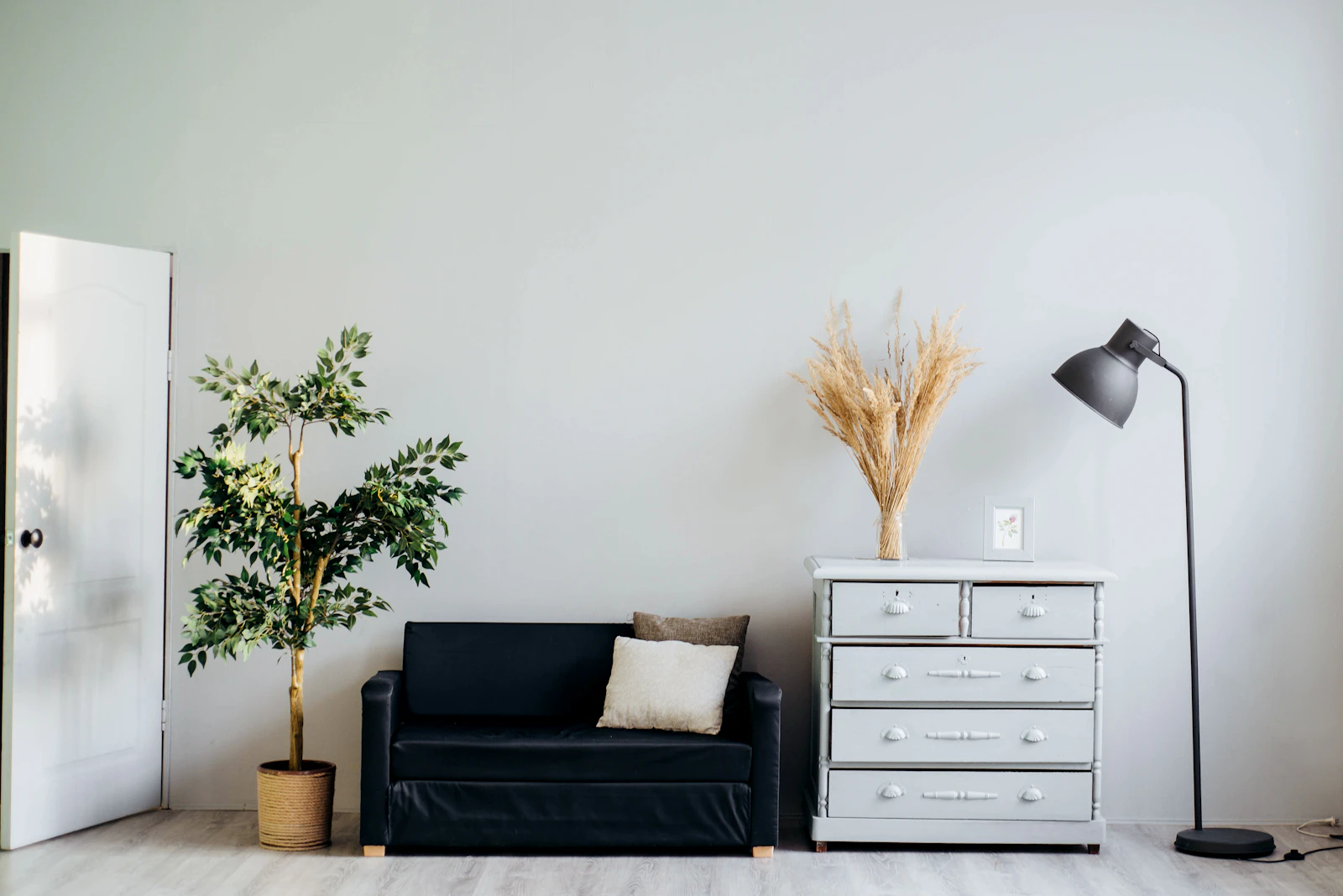
When guests step across your threshold, the entryway offers the first impression of your entire home. Yet in many homes and apartments, the front entrance is a tight architectural corridor, a shadowy corner, or simply a door opening straight into the living room with zero buffer.
Designing a small entryway isn’t about squeezing scaled-down versions of grand foyer furniture into a tight footprint. Instead, it is about intentional layering: selecting pieces that perform double duty, maximizing vertical wall height, and creating a calming ritual for arriving home.
Here are 21 proven, practical ideas to transform your small entryway into a functional, welcoming space.
1. Mount a Floating Console Shelf
When square footage is scarce, heavy console tables with chunky legs can quickly choke a narrow entryway. A floating wood shelf—installed at standard table height (around 30 to 32 inches)—leaves the floor underneath completely clear.
This visual openness immediately tricks the eye into perceiving a wider room. Beneath the floating shelf, you have the ideal zone to slide two woven storage baskets for umbrellas, dog leashes, or seasonal slippers.
2. Introduce an Oversized Round Mirror
A round mirror breaks up the rigid rectangular lines of doorways and hallways. Beyond its daily utility for a quick check before walking out the door, a generous mirror (30 to 36 inches in diameter) bounces natural light into dim hallways and doubles the perceived depth of the wall.
“A mirror in a small entryway isn’t just an accessory; it is an architectural window that borrows light from neighboring rooms.”
3. Utilize Slim Depth Tip-Out Shoe Cabinets
Standard shoe racks require at least 14 to 16 inches of floor projection, which can block the front door swing. Tip-out shoe cabinets, by contrast, measure as little as 7.5 to 9 inches in depth.
Shoes sit vertically inside concealed compartments, keeping visual clutter completely out of sight while offering a sleek top surface for mail and fresh florals.
4. Designate a Wall-Mounted Peg Rail
Rather than an unwieldy freestanding coat tree that tips over under heavy winter coats, install a continuous Shaker-style wooden peg rail across one entire wall.
By running the rail horizontally across several feet, you create a rhythmic architectural detail. Use the pegs to hang coats, canvas market totes, hats, and dried botanical bundles.
5. Define the Threshold with a Durable Runner
A small entryway often lacks clear boundaries. A defined runner rug—measuring 2.5 by 6 or 8 feet—instantly delineates the “landing zone” from the adjacent living spaces.
Opt for low-profile flatweaves, vintage wool runners, or washable jute blends that allow the front door to swing freely without catching.
6. Install Double-Duty Wall Sconces
If tabletop space on your entryway shelf is needed for a key bowl, skip the table lamp. Hardwired or plug-in wall sconces flanking your mirror provide warm, flattering illumination at eye level without taking up a single square inch of surface space.
7. Hide Daily Mail in Concealed Leather Envelopes
Mail, receipts, and school permission slips are the primary culprits of entryway chaos. Mount a stiff leather or canvas wall pocket inside the door frame to catch daily paperwork the moment you enter, keeping flat surfaces clean.
8. Hang a Low Bench with Under-Seat Baskets
If space permits even 36 inches of length, a slender backless wooden bench provides a welcoming place to sit while putting on boots. Choose an open-slat design in oak or walnut, and tuck two structured linen-lined baskets underneath for concealed shoe storage.
9. Choose Tone-on-Tone Paint for Trim and Walls
High contrast between white walls and dark doors can make a compact entryway feel choppy and segmented. Painting the walls, baseboards, and interior face of the front door in the same soft parchment or muted olive creates a continuous, immersive envelope that blurs wall boundaries.
10. Maximize the Vertical Zone Above Eye Level
Look up: the 24 inches directly below the ceiling is almost always wasted. In a high-ceilinged narrow entry, install a high-level picture ledge or display shelf to store infrequently used luggage, seasonal baskets, or framed architectural prints.
11. Add a Dedicated Catchall Ceramic Bowl
Every small entryway requires a dedicated landing spot for loose keys, transit cards, and sunglasses. A handcrafted stoneware bowl or unlacquered brass tray establishes a tidy, elevated routine so small essentials never wander around the house.
12. Use Pocket Door Hooks for Renter-Friendly Hanging
If you are renting and cannot drill into hallway walls, invest in sturdy brass over-door hanging hooks. When paired with structured canvas bags, they provide hidden storage on the back of a closet or bedroom door without damaging paint.
Bringing It Together: The Daily Ritual
A successful small entryway balances utility and elegance. When every key, coat, and pair of shoes has a designated home, entering your front door transitions from a chaotic drop zone into a peaceful arrival.
Editorial Guidelines: Quick Practical Rules
- Maintain a minimum 36-inch clear walking corridor from the door swing to the main living area.
- Use warm 2700K lighting with a shaded wall sconce rather than harsh overhead ceiling spotlights.
- Group entryway essentials in sets of three: a catchall tray for keys, a ceramic vase for greenery, and a framed art print leaning against the wall.
What Often Goes Wrong (And How to Fix It)
- Installing an open, tiered wire shoe rack that creates immediate visual clutter upon opening the front door.
- Hanging a decorative mirror too high—the center point of the glass should sit roughly 58 to 62 inches from the floor.
- Choosing a dark, thick-pile rug that snags on the bottom of the front door weatherstripping.
Frequently Asked Questions
How can I make a very small entryway look bigger?
Hang an oversized mirror opposite or perpendicular to natural light to double visual depth. Choose furniture with elevated, slender legs so floor space remains visible, and paint the trim in the same warm neutral as the walls to eliminate visual breaks.
What is the best shoe storage solution for a small entryway?
A slim wall-mounted shoe cabinet (such as a tip-out cabinet measuring only 7 to 9 inches deep) keeps footwear completely hidden without obstructing narrow walking paths.
How do you create an entryway when your front door opens straight into the living room?
Anchor a dedicated 'landing strip' using a distinct runner rug, float the back of a sofa to act as a room divider, and mount a vertical coat rack and floating key shelf immediately adjacent to the hinge side of the door.
The House Chapter Editorial
Interiors & Styling Editors • The House Chapter
Curated by our team of interior designers, home organizers, and editorial stylists dedicated to practical, beautiful living.
Entryways & Hallways
A little inspiration for your next chapter at home.
Receive curated decorating dispatches, practical hallway storage blueprints, and quiet design moments delivered straight to your inbox.
No spam. No daily noise. Unsubscribe at any time with one click.
Related Chapters
18 Clever Entryway Storage Ideas for Clutter-Free Hallways
Master hallway organization with 18 high-functioning storage ideas designed to conceal shoes, organize outerwear, and maintain a serene front entry.

How to Decorate a Narrow Hallway: 15 Designer Solutions
Turn dark, tunnel-like corridors into inviting architectural passageways with strategic lighting, rhythmic gallery framing, and tactile runners.
17 Rental-Friendly Apartment Entryway Ideas for Tight Spaces
Smart, non-damaging apartment entryway solutions that maximize compact rental hallways without risking your security deposit.

How to Maximize Small Bedroom Storage Without Clutter
Expert bedroom storage solutions that keep clothing, linens, and accessories organized without turning your peaceful bedroom into a warehouse.